Home

Category: Business

  • The Fastest Ways to Contact Ticketek When Something Goes Wrong

    The Fastest Ways to Contact Ticketek When Something Goes Wrong

    When you have a Ticketek problem that needs solving quickly, a booking that won’t load the night before an event, a charge that appeared on your statement without a matching confirmation, or tickets that simply haven’t arrived in time, the last thing you want is to spend twenty minutes trying to find a working contact method. Ticketek’s customer service options are available, but they’re not always immediately obvious, and choosing the wrong channel for your situation can cost you time you don’t have.

    To cut straight to your options without the search, Ticketek contact gives you a clear breakdown of how to reach Ticketek and what each channel is best suited for.

    When urgency is the priority, the contact method you choose matters more than what you say. Ticketek’s online help centre and support request form are the primary contact points for most issues, but these are not real-time channels. Submitting a support request means joining a response queue, and during high-volume periods like major event announcements, on-sale dates, or widespread cancellations, that queue can stretch. If your event is tomorrow and your tickets haven’t arrived or your booking shows an error, you need to use the fastest available option rather than the most convenient one.

    For urgent, time-sensitive issues, check first whether your problem can be resolved through self-service. Ticketek’s online account portal allows you to view your booking history, download tickets, and, in some cases, update contact details without needing to contact the customer service team at all. If your tickets are stored in your account but you didn’t receive the confirmation email, downloading directly from the portal bypasses the need for customer service contact entirely. This is worth checking before you invest time in a support request.

    If self-service doesn’t resolve your issue, your booking reference number should be in hand before you contact Ticketek through any channel. This is the reference number from your confirmation email, a string of numbers and letters that uniquely identifies your booking. Every contact you make with Ticketek should include this reference number in the first line of any message or stated clearly at the start of any call. Without it, the team has to locate your account manually, which slows the response and can complicate the conversation.

    The type of issue you have should also influence which contact method you use. For billing errors, a double charge, a charge without a corresponding booking, or a payment that was taken but didn’t confirm, a written contact method is preferable because you want a record of the exchange. For booking errors, particularly those affecting an imminent event, using the most direct contact method available is the priority. For refund enquiries on cancelled events, submitting a clear, documented request in writing tends to produce better outcomes than a phone conversation because it creates a formal record of your claim.

    Whatever channel you use, be specific in what you communicate. State your booking reference number, the name of the event, the issue you experienced, and what you are asking Ticketek to do. Vague contacts, “I have a problem with my booking, please help”, require the agent to ask follow-up questions before they can do anything, which adds time to the process. A contact that opens with the reference number, names the issue, and states the requested outcome gives the agent everything they need to start working immediately.

    If you’ve already contacted Ticketek and haven’t received a useful response, follow up using the original reference number from your first contact rather than submitting a new request. This keeps your issue in a single thread and signals that you’ve already been through the initial contact process. When following up, include the date of your original contact and a summary of what you were told. Escalating to a complaints handling team or requesting review by a senior agent is a reasonable step if standard contacts haven’t moved things forward.

    For events that are the next day or within hours, if direct contact with Ticketek is not producing a fast enough response, it is also worth contacting the venue directly. The venue’s box office team often has the ability to look up bookings and provide entry without the original ticket confirmation, particularly for digital ticketing. Having your booking reference and identification ready is essential in this situation. Venue box offices are an underused resource in urgent ticket situations and are often faster than waiting for a customer service response during peak periods.

    If you’re dealing with duplicate charges, your card was charged twice for the same booking, or charged for a transaction that didn’t complete, raise this as a billing dispute rather than a general enquiry. Include bank statement evidence showing the charges alongside your Ticketek account activity. This combination gives Ticketek’s team everything they need to verify the error and process a correction without extended back-and-forth. Keeping a screenshot of your Ticketek account at the time of the error is also useful, as booking and payment history can sometimes be difficult to reconstruct after the fact.

  • Quality Stainless Steel Supplies in Melbourne | Durable & Affordable Solutions

    Quality Stainless Steel Supplies in Melbourne | Durable & Affordable Solutions

    Stainless steel supplies are essential across multiple industries due to their exceptional durability, resistance to corrosion, and ability to withstand extreme temperatures. From construction and manufacturing to food processing, stainless steel is a material of choice for projects that demand reliability and longevity. Its versatility makes it indispensable for applications ranging from kitchen appliances and medical instruments to industrial machinery and architectural features.

    Melbourne is home to a wide range of top-quality stainless steel suppliers, providing businesses and consumers with high-quality stainless steel supplies tailored to their specific needs. These suppliers offer everything from stainless steel sheets and pipes to custom fabrications, ensuring that clients have access to products that meet the highest standards of performance and aesthetics. Many of these suppliers also provide stainless steel supplies Melbourne delivery, making it convenient for customers to receive materials directly at their site.

    The Importance of Stainless Steel

    Stainless steel is a corrosion-resistant alloy known for its strength, low maintenance requirements, and visual appeal. Its antibacterial properties and versatility make it suitable for a variety of applications, including domestic, commercial, and industrial projects. The material’s resistance to rust and staining ensures long-lasting performance, reducing replacement costs and contributing to sustainable practices.

    Industries around the world rely on stainless steel for its adaptability. In the food industry, stainless steel equipment ensures hygiene and durability. In construction, stainless steel structural components offer stability and modern design appeal. The automotive and medical sectors also benefit from stainless steel’s lightweight strength and corrosion resistance, making it a key material in essential products and infrastructure.

    Features of High-Quality Stainless Steel

    Durability is a defining feature of stainless steel, allowing it to withstand harsh environmental conditions, chemicals, and moisture. This resilience ensures that products maintain their structural integrity and appearance over time, making stainless steel an investment that pays off in reliability and longevity.

    Affordability is another important consideration. While stainless steel may have a higher initial cost compared to other metals, its long-term durability and low maintenance requirements make it a cost-effective option. High-quality stainless steel reduces the need for frequent repairs or replacements, providing sustainable savings over the lifespan of the product.

    Versatility enhances stainless steel’s value across industries. Available in various grades and finishes, stainless steel can be tailored for specific applications. Whether it’s stainless steel sheets for architectural facades, pipes for industrial systems, or custom components for machinery, this material adapts seamlessly to diverse requirements.

    Top Stainless Steel Suppliers in Melbourne

    Melbourne offers a dynamic market for stainless steel supplies, where quality meets innovation. Local suppliers provide a broad selection of stainless steel products, including sheets, pipes, fittings, and custom fabrications. Their services extend beyond products, offering expert guidance to ensure that businesses and individuals select materials that best suit their projects.

    These suppliers stand out for their commitment to quality, precision, and customer service. They deliver tailored solutions that cater to the unique demands of various industries, including construction, manufacturing, food processing, and healthcare. By sourcing materials from reputable suppliers, clients are guaranteed consistency, reliability, and access to expert advice.

    How to Identify Quality Stainless Steel

    Determining the authenticity of stainless steel involves practical testing methods. Common techniques include using magnet tests, conducting acid reactions, and performing visual inspections. High-quality stainless steel is generally non-magnetic, resists corrosion, and has a smooth, polished finish. Checking manufacturer certifications and assessing weight can also help distinguish premium products from lower-quality alternatives.

    Purchasing from reputable suppliers is essential. Trusted vendors ensure that products meet industry standards, reduce the risk of counterfeit materials, and provide reliable customer support. Investing in verified high-quality stainless steel protects both projects and long-term operational efficiency.

    Affordable Stainless Steel Solutions in Melbourne

    Contrary to common belief, affordability does not compromise quality. Many Melbourne suppliers offer competitively priced stainless steel products by optimising sourcing and production processes. By focusing on efficiency and value, these suppliers provide durable, high-performance materials without exceeding budget constraints.

    Cost-saving strategies include bulk purchasing, comparing prices among multiple suppliers, exploring recycled stainless steel options, and negotiating contracts for long-term projects. Prioritising quality while seeking affordable solutions ensures that investments in stainless steel yield lasting benefits and reduced maintenance costs.

    The Future of Stainless Steel Supplies

    The stainless steel industry is evolving with emerging trends in sustainable sourcing, advanced manufacturing techniques, and expanding applications across renewable energy, automotive, and construction sectors. Innovation drives improvements in efficiency, cost-effectiveness, and environmental responsibility, making stainless steel a material of the future.

    As technologies advance, suppliers continue to develop stainless steel products with enhanced performance, reduced environmental impact, and broader design possibilities. Businesses and consumers alike benefit from these innovations, creating opportunities for creative, durable, and sustainable projects.

    Conclusion

    Stainless steel supplies in Melbourne are vital for industries that demand strength, durability, and aesthetic quality. High-quality stainless steel offers corrosion resistance, versatility, and long-term cost-effectiveness, making it an ideal choice for a wide range of applications. By sourcing products from reputable suppliers, businesses and individuals ensure reliability, value, and optimal performance. Whether for construction, manufacturing, food processing, or interior design, stainless steel remains a cornerstone of innovation and quality in Melbourne’s dynamic market. With sustainable practices and advanced technologies shaping the industry, stainless steel continues to be a durable, practical, and stylish solution for projects today and in the future.

  • Strategic Paid Advertising for Higher ROI and Tradies’ Business Growth

    Strategic Paid Advertising for Higher ROI and Tradies’ Business Growth

    Return on Investment (ROI) remains a critical metric in tradie digital marketing, enabling businesses to assess the profitability of campaigns relative to their costs. By analysing ROI, companies can determine which strategies deliver the greatest returns, refine marketing approaches, and allocate resources more efficiently. Understanding this metric also offers valuable insights into customer engagement and campaign performance, supporting informed decision-making and enhancing overall marketing effectiveness.

    Paid social media and Google Ads are central to achieving business objectives by boosting brand visibility, engagement, and conversions. These platforms allow for precise audience targeting based on demographics and interests, ensuring marketing efforts reach potential customers effectively. Advanced analytics provide the ability to measure campaign performance in real time, while flexible budgeting options help maximise returns, driving growth and expanding market presence. For expert support in optimising campaigns, Monsta Media Palm Beach offers tailored paid advertising solutions to drive measurable results.

    Understanding ROI in Paid Advertising

    ROI measures the financial return generated from advertising relative to its cost. A positive ROI indicates that campaigns are successful, whereas a negative ROI highlights inefficiencies. Evaluating ROI allows businesses to optimise budgets, enhance targeting, and make data-driven decisions in an increasingly competitive digital landscape.

    Paid media significantly impacts revenue generation, customer acquisition, and overall business growth. By tracking metrics such as conversion rates, customer lifetime value, and campaign costs, companies can identify the most profitable channels. This analysis ensures resources are deployed effectively and future marketing initiatives are better informed, ultimately enhancing profitability.

    High-intent leads, prospects showing strong interest or readiness to purchase, are particularly valuable. Prioritising these leads increases conversion rates, improves efficiency within the sales funnel, and fosters trust through targeted, personalised messaging. Focusing on these prospects allows businesses to achieve higher returns from their marketing investments.

    Strategies to Maximise ROI

    Optimising advertising expenditure is essential for achieving maximum ROI. Data-driven strategies, including audience segmentation, A/B testing, and keyword refinement, improve targeting and engagement with potential customers. Continuous monitoring enables marketers to adjust campaigns in real time, ensuring resources are deployed effectively. Clear goal setting combined with analytics tools streamlines ad spend and delivers measurable outcomes.

    Selecting the right platform is equally important. Businesses must consider factors such as interface usability, support quality, fees, and security features. Researching platforms, consulting user reviews, and assessing alignment with organisational goals ensures a suitable choice that enhances operational efficiency and client satisfaction.

    Tailored advertising is a key driver of campaign success. Understanding audience behaviours and preferences allows businesses to create relevant, engaging content. Personalised campaigns increase engagement, foster brand loyalty, and drive conversions, making marketing initiatives more effective and meaningful.

    Reducing Wasted Spend in Paid Media

    Monitoring advertising expenditure is crucial for maximising efficiency. By analysing performance data, businesses can identify underperforming campaigns early, reallocating budgets to higher-performing initiatives. Effective oversight reduces wasted spend, improves reach, and supports more informed decision-making, contributing to overall profitability.

    Capturing High-Intent Leads

    High-intent leads demonstrate a strong likelihood of conversion, actively engaging with content and interacting with brands. Targeting these prospects through paid media enhances efficiency and improves sales outcomes. Strategies include defining clear audience profiles, employing retargeting campaigns, conducting A/B testing, leveraging user-generated content, and analysing performance metrics for continuous optimisation. By focusing on these leads, businesses maximise marketing returns and drive meaningful engagement.

    Tools for Paid Media Optimisation

    Paid social media and Google Ads provide service-oriented businesses with the ability to attract high-intent leads efficiently. These tools streamline operations, reduce costs, and enhance decision-making through robust analytics and automation. They also provide insights into customer behaviour, enabling more effective engagement and increasing sales opportunities. Leveraging these tools strategically allows organisations to improve ROI while avoiding unnecessary expenditure.

    Conclusion

    Maximising ROI from paid media requires precise targeting, tailored content, and continuous performance analysis. Implementing A/B testing, optimising budgets, and employing retargeting strategies ensures campaigns reach the right audience and deliver measurable results. As digital marketing evolves, leveraging data analytics, artificial intelligence, and cross-channel integration will further enhance campaign effectiveness. Personalisation and real-time optimisation will continue to drive conversions, enabling businesses to extract the greatest value from their advertising investments.

    FAQs

    What is the best way to measure ROI in paid advertising?


    ROI is calculated by comparing the profit generated from a campaign to its total cost. Metrics such as conversion rates, customer lifetime value, and campaign expenses are key indicators. Advanced analytics tools can provide detailed insights, helping marketers optimise campaigns effectively.

    How can businesses reduce wasted spend in paid media campaigns?


    Monitoring ad performance and reallocating budgets from underperforming campaigns to high-performing ones is essential. Regular A/B testing, audience segmentation, and retargeting also ensure resources are focused on strategies that generate the best returns.

    Why are high-intent leads important for ROI?


    High-intent leads are prospects more likely to convert, meaning marketing efforts targeting them are more efficient and cost-effective. By prioritising these leads, businesses can improve conversion rates, strengthen customer relationships, and maximise the value of advertising investments.

  • Optimising Storage Efficiency with Stackable Crates

    Optimising Storage Efficiency with Stackable Crates

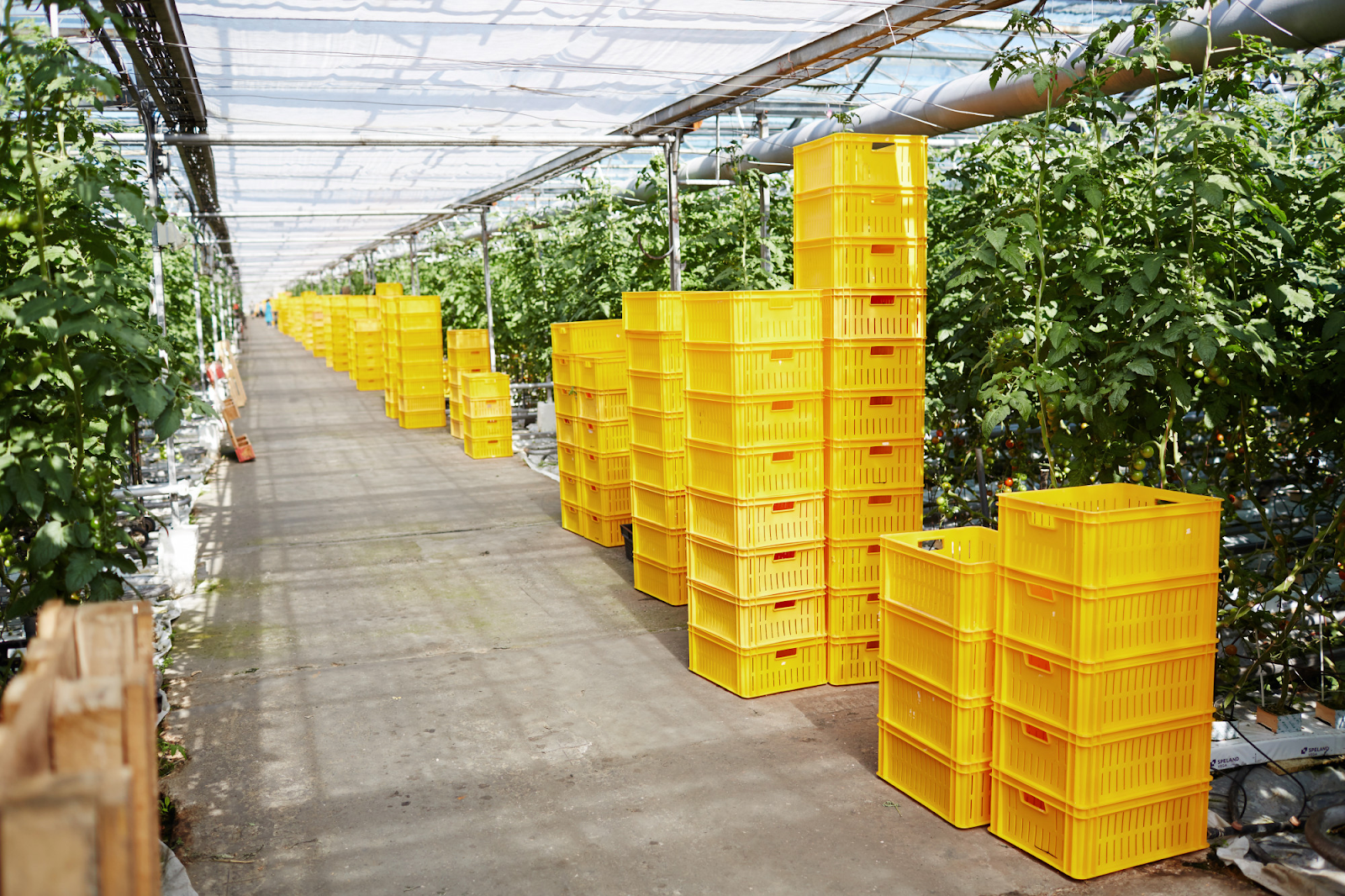
    In today’s fast-paced world, where living and working spaces are often limited, the need for efficient storage solutions has become increasingly important. Managing clutter effectively not only improves functionality but also enhances productivity and comfort. Stackable crates have emerged as one of the most practical and versatile options for tackling storage challenges. Designed to optimise available space, these crates allow vertical stacking, enabling users to make full use of tight or confined areas. Their robust construction, combined with ease of use, makes them suitable for a wide range of environments from homes and offices to warehouses and retail spaces. Whether used for decluttering, organising seasonal items, or streamlining workplace operations, stackable crates offer a durable, space-saving, and convenient storage solution.

    The Importance of Efficient Storage

    Efficient storage management is essential for maintaining order and productivity. When storage systems are poorly organised, it can result in misplaced items, wasted time, and higher operational costs. In commercial settings, these inefficiencies can disrupt workflows, cause stock shortages or surpluses, and ultimately affect customer satisfaction. On a personal level, disorganised spaces can lead to frustration, clutter, and unnecessary stress.

    As the demand for space continues to increase, traditional storage methods often fail to accommodate diverse and evolving needs. Fixed shelving or bulky cabinets, for example, can limit flexibility and make rearranging difficult. Modern lifestyles and business operations require adaptable storage options that support efficient use of available space. Stackable crates address these challenges by providing a customisable and portable system that promotes order and accessibility. Their versatility ensures that users can adjust their arrangements according to changing storage requirements, making them a sustainable and practical long-term solution.

    What Are Stackable Crates?

    Stackable crates are purpose-designed containers that can be securely placed one on top of another, maximising both floor and vertical space. These crates are typically constructed from durable materials such as high-density plastic, metal, or wood, ensuring they can withstand frequent handling and heavy loads. The interlocking design of many models enhances stability, reducing the risk of shifting or collapsing when stacked.

    They are available in various sizes, shapes, and materials to suit different needs. Plastic crates are lightweight, easy to clean, and resistant to moisture, making them ideal for everyday use. Wooden crates, on the other hand, are sturdier and better suited for storing heavy or bulky items. For perishable goods, ventilated crates ensure proper airflow, while transparent versions allow quick visual identification of contents. Some designs also feature handles or wheels for easier mobility, catering to both domestic and industrial applications.

    This adaptability makes stackable crates an ideal choice for multiple environments. In warehouses, they streamline logistics and inventory management. In retail, they support organised product display and efficient restocking. At home, they simplify the organisation of personal belongings such as toys, tools, or garden supplies. Their ability to blend functionality with practicality sets them apart as a reliable and cost-effective storage option.

    Benefits of Using Stackable Crates

    The advantages of stackable crates over conventional storage systems are extensive. Their main strength lies in their ability to make the most of vertical space, allowing for compact yet accessible storage. This is particularly useful in small flats, offices, or warehouses where every square metre matters. By stacking upwards rather than spreading out, users can significantly increase their storage capacity without expanding their physical footprint.

    Stackable crates also contribute to improved organisation. With clear labelling or colour coding, items can be categorised efficiently, reducing the time needed to locate or retrieve goods. Their uniform shape enables neat arrangement, minimising clutter and creating a more visually organised environment. In addition, they can be easily transported or rearranged when necessary, making them more flexible than fixed shelving systems.

    Durability and sustainability are other key benefits. Made from long-lasting materials, stackable crates can endure repeated use, reducing the need for replacements and lowering overall costs. Many models are also recyclable, supporting environmentally conscious practices. This combination of strength, reusability, and adaptability makes them a practical choice for individuals and businesses seeking sustainable storage solutions.

    Tips for Maximising Storage with Stackable Crates

    To get the most out of stackable crates, proper organisation and maintenance are essential. Heavier crates should always be placed at the bottom to ensure stability, with lighter ones on top. Labelling each crate helps with quick identification and prevents confusion, particularly in busy environments. Grouping items by category or frequency of use can also streamline access and enhance efficiency.

    It is important to regularly inspect crates for signs of wear or damage. Avoid overloading them beyond their weight capacity, as this can compromise their integrity and safety. Cleaning crates with non-corrosive materials will maintain hygiene, especially when used for food or medical supplies. When not in use, storing them in a dry, cool environment prevents warping and extends their lifespan. In workplaces, providing basic training on safe stacking and handling practices can help prevent accidents and improve productivity.

    When choosing stackable crates, consider factors such as size, material, and intended use. Ventilated models are ideal for items that require airflow, while solid designs are better for general storage. Waterproof or weather-resistant crates are suitable for outdoor applications. Selecting the right type ensures durability, efficiency, and convenience across various storage situations.

    Conclusion

    Stackable crates represent a simple yet highly effective solution for optimising storage in any environment. Their combination of strength, versatility, and ease of use makes them suitable for a wide range of applications, from home organisation to industrial storage. By adopting stackable crates, individuals and businesses can maximise available space, enhance organisation, and maintain accessibility, all while promoting sustainability. In an era where efficient use of space is increasingly vital, these crates provide a reliable and adaptable means to achieve order and functionality. Ultimately, stackable crates transform cluttered areas into structured, efficient, and productive spaces, an essential feature of modern living and working environments.

  • The Smart Sipper’s Guide: Unlocking Convenience with Modern Drink Vending Machines

    The Smart Sipper’s Guide: Unlocking Convenience with Modern Drink Vending Machines

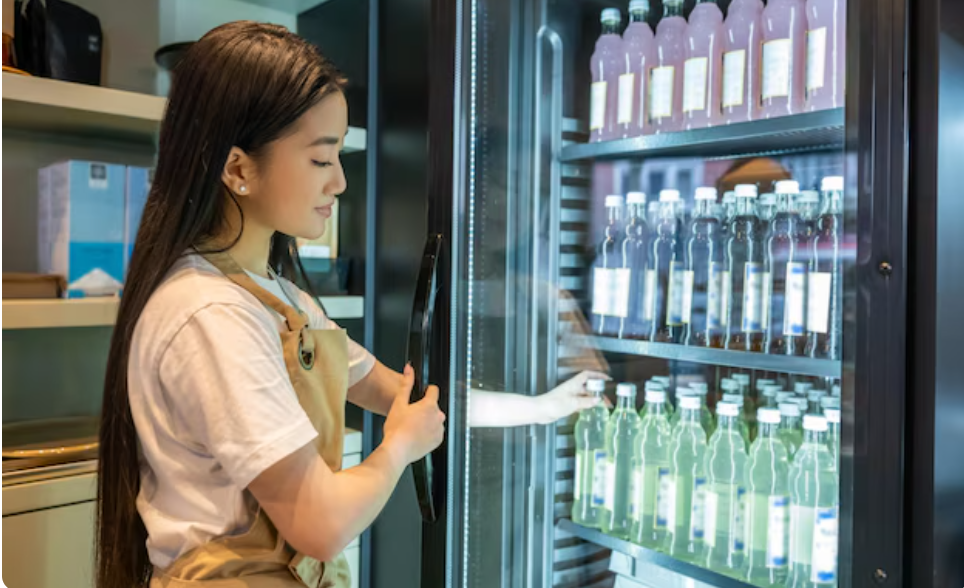
    In a fast-paced world where convenience is key, drink vending machines have become a staple in workplaces, schools, gyms, and public spaces across Australia. These machines provide instant access to a wide selection of beverages—anytime, anywhere—without the need for staff or long queues.

    High-quality vending machines don’t just serve drinks; they enhance efficiency, boost customer satisfaction, and create profitable opportunities for business owners. 

    Advantages of Drink Vending Machines

    Convenience and Accessibility

    The primary appeal of vending machines lies in their convenience. They operate 24/7, offering refreshments to customers and employees without requiring supervision. For businesses, this means continuous service, reduced staffing costs, and improved customer engagement.

    Variety and Choice

    Modern drink vending machines can dispense a wide range of beverages—soft drinks, bottled water, juice, energy drinks, and even healthier options like flavoured sparkling water or kombucha. Providing variety ensures that you meet different customer preferences and keep sales consistent year-round.

    Reduced Labour Expenses

    Automated vending systems significantly cut down on labour costs. Once installed, they require minimal oversight, freeing up time and resources for other business operations. This makes them an efficient addition to offices, universities, and public facilities where self-service options are preferred.

    Factors to Consider Before Buying

    Price and Value

    The cost of a vending machine depends on features, size, and capacity. While entry-level models are more affordable, investing in a high-quality machine ensures durability and fewer maintenance issues over time. Consider the long-term return on investment rather than focusing solely on the upfront price.

    Maintenance Requirements

    Regular maintenance is essential to keep your machine running efficiently. Check whether replacement parts are easily available and ensure you have a reliable service plan for cleaning, restocking, and minor repairs. A well-maintained machine delivers consistent performance and a better customer experience.

    Reliability and Durability

    When choosing a vending machine, reliability should be a top priority. Machines made with robust materials and efficient cooling systems ensure long-term durability, especially in high-traffic areas. Reliable performance also builds customer trust and reduces downtime.

    Size and Capacity

    Consider where the vending machine will be placed and how many customers it will serve daily. Compact models are ideal for offices or small venues, while larger machines suit schools, hospitals, or transport hubs. Balancing size and capacity helps optimise both space and profit.

    Maintaining the Quality of Your Machine

    Routine care is the key to longevity and customer satisfaction.

    • Regular cleaning: Keep the exterior spotless and sanitise internal components to maintain hygiene and prevent odours.
    • Proper stocking: Rotate beverages to ensure freshness and organise products logically to make selection easy.
    • Repairs and software updates: Address technical issues promptly and update systems to improve efficiency, payment security, and energy consumption.

    Consistent upkeep not only preserves machine performance but also extends its lifespan, reducing costs in the long run.

    Strategies to Maximise Profit

    Choose the Right Location

    Location is the single most important factor for vending success. High-traffic areas such as office buildings, shopping centres, universities, and gyms attract steady sales. Analyse foot traffic patterns to determine where your machine will generate the most revenue.

    Stock Popular Drinks

    Understanding customer preferences helps maintain sales momentum. Offer a balanced mix of best-selling drinks and seasonal favourites. Energy drinks, bottled water, and soft drinks tend to perform well, but including healthy or eco-friendly alternatives can appeal to a wider audience.

    Adapt to Seasons

    Consumer preferences shift with the seasons. In warmer months, cold beverages dominate, while in cooler periods, consider offering bottled teas or other seasonal options. Rotating stock regularly keeps your offerings relevant and appealing.

    Pricing Strategies

    Set prices strategically to balance affordability and profit. Research nearby retail options to stay competitive, and consider promotions such as multi-buy discounts or loyalty programs to encourage repeat purchases.

    Conclusion

    Top-quality drink vending machines combine convenience, innovation, and profitability. They provide a simple yet effective way to serve customers, reduce labour costs, and ensure round-the-clock access to beverages in any setting. By choosing a reliable model, maintaining it properly, and placing it in the right location, business owners can enjoy a steady stream of revenue while enhancing customer satisfaction.

    As technology continues to advance, vending machines are becoming smarter, greener, and more versatile than ever before. For businesses seeking efficiency and customers craving convenience, investing in a well-designed drink vending machine is a refreshing step forward.

  • Discover the Charm of Barn Wedding Venues: A Perfect Blend of Rustic Elegance

    Discover the Charm of Barn Wedding Venues: A Perfect Blend of Rustic Elegance

    Barn wedding venues have become increasingly popular for couples seeking a unique, rustic, and charming setting for their special day. Combining natural beauty with vintage aesthetics, these venues offer a picturesque backdrop that creates unforgettable memories. Whether nestled in the countryside or part of a working farm, barn wedding venues provide a warm, inviting atmosphere that blends traditional elegance with contemporary style.


    Why Choose a Barn Wedding Venue?

    1. Rustic Charm with Timeless Appeal


    Barns exude a rustic charm that is hard to replicate in traditional wedding venues. The exposed wooden beams, high vaulted ceilings, and authentic architectural details create a cosy, intimate ambience. This timeless appeal allows couples to personalize their weddings with minimal decor, as the natural beauty of the barn speaks for itself.


    2. Versatility and Flexibility


    Barn venues offer unparalleled flexibility in terms of layout and design. They can easily accommodate various wedding themes, from boho chic and vintage to classic elegance. The open floor plans allow for creative arrangements, whether you prefer a grand reception, an intimate dinner, or a lively dance floor. Additionally, barns often include outdoor spaces perfect for ceremonies, cocktail hours, or photo sessions.


    3. Connection to Nature


    One of the most appealing aspects of barn weddings is the seamless integration with the surrounding natural landscape. Couples can exchange vows under the open sky, surrounded by rolling hills, lush fields, or scenic woodlands. This connection to nature adds a serene, romantic touch that enhances the overall wedding experience.


    Key Features of Barn Wedding Venues


    1. Unique Architectural Elements


    Barns feature distinctive architectural elements such as rustic wooden beams, loft spaces, and large sliding doors. These features provide a charming, authentic setting that requires little additional decoration. The combination of old-world craftsmanship and modern amenities ensures both comfort and style.


    2. Ample Space for Guests


    Barn venues typically offer spacious interiors and expansive outdoor areas, making them ideal for large guest lists. The versatile space can be customized for ceremonies, receptions, dining, and entertainment, ensuring a smooth flow throughout the event.


    3. Built-In Character


    Unlike traditional banquet halls, barns come with a built-in character that adds to the wedding’s aesthetic. The weathered wood, antique fixtures, and vintage details create a warm, inviting atmosphere that feels both elegant and homey.


    Planning Your Barn Wedding


    1. Consider the Season


    While barn weddings are beautiful year-round, it’s essential to consider the season when planning your event. Summer and fall are popular choices due to pleasant weather and stunning natural scenery. However, with proper heating, lighting, and decor, winter barn weddings can be equally magical.


    2. Logistics and Amenities


    When choosing a barn venue, inquire about essential amenities such as restrooms, heating/cooling systems, and parking facilities. Some barns may require additional rentals for seating, lighting, or climate control, so it’s crucial to factor these into your budget and planning.


    3. Decor and Theme


    Barns provides a versatile canvas for various wedding themes. Consider incorporating natural elements like wildflowers, greenery, and rustic wood accents to complement the venue’s charm. String lights, lanterns, and candles can enhance the romantic ambience, while vintage furniture adds a touch of elegance.


    Popular Barn Wedding Venue Styles


    1. Classic Rustic Barns


    Traditional barns with exposed beams, haylofts, and wooden interiors are perfect for couples seeking an authentic rustic vibe. These venues often feature charming outdoor spaces, such as gardens, orchards, or open fields, ideal for ceremonies and photos.


    2. Modern Barn Venues


    For those who prefer a blend of rustic charm and contemporary design, modern barn venues offer sleek architectural elements, polished interiors, and state-of-the-art amenities. These venues maintain the barn’s character while providing a more refined, elegant atmosphere.


    3. Farm and Vineyard Barns


    Barns located on farms or vineyards offer breathtaking views and a farm-to-table dining experience. Guests can enjoy the beauty of nature, fresh local produce, and the unique ambience of a working farm or winery.


    Benefits of Barn Wedding Venues


    • Scenic Backdrops: Perfect for stunning wedding photos.
    • Personalization: Flexible spaces allow for creative decor and layouts.
    • Intimate Atmosphere: Cozy settings foster a warm, inviting vibe.
    • Indoor/Outdoor Options: Versatile spaces for all weather conditions.


    Conclusion


    Barn wedding venues offer the perfect blend of rustic charm and elegant sophistication, making them an ideal choice for couples looking to create a memorable, one-of-a-kind celebration. With their unique architecture, natural beauty, and versatile spaces, barns provide a romantic, timeless setting that reflects the couple’s style and love story.


    Whether you’re envisioning a laid-back, country-inspired affair or a chic, modern event with rustic touches, barn venues can bring your wedding dreams to life. So, embrace the charm of the countryside, let your creativity shine, and create beautiful memories in a barn wedding venue that you and your guests will cherish forever.

  • Top Benefits of Using Platform Trolleys for Heavy Loads

    Top Benefits of Using Platform Trolleys for Heavy Loads

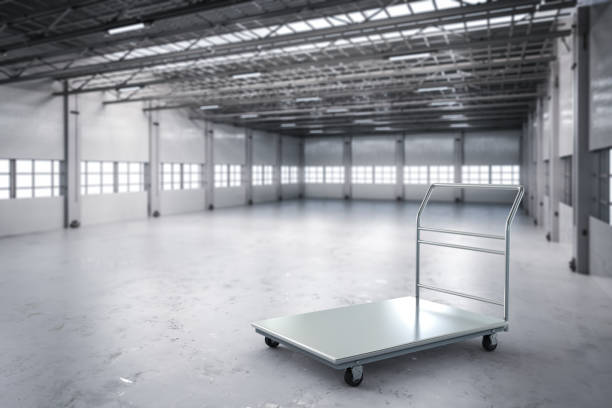
    Platform trolleys are an essential tool for transporting heavy loads in industrial, commercial, and even residential environments. Designed with a flat, sturdy platform and durable wheels, these trolleys help reduce the physical strain of moving bulky items while improving efficiency. Whether used in warehouses, factories, retail spaces, or homes, platform trolleys provide a practical solution for heavy lifting and transportation challenges.


    Enhancing Workplace Efficiency


    One of the key advantages of platform trolleys is their ability to enhance workplace productivity. By reducing manual effort, they allow workers to transport multiple items simultaneously, cutting down on the number of trips required. This saves time and energy while increasing overall efficiency, particularly in environments where frequent heavy lifting is necessary.


    Reducing Physical Strain and Injury Risks


    Lifting and carrying heavy loads manually can lead to back strain, muscle fatigue, and workplace injuries. Platform trolleys help mitigate these risks by providing a stable surface for transporting heavy objects. With ergonomic handles and smooth-rolling wheels, they enable users to move loads safely with minimal physical exertion.


    Versatile Applications


    Platform trolleys are highly versatile and can be used across various industries and settings. In warehouses and distribution centres, they assist in moving large shipments and bulky goods. In retail environments, they help stock shelves efficiently. Offices and schools use them for transporting supplies, while homeowners find them useful for gardening, home renovation, and moving furniture.


    Different Types of Platform Trolleys


    Several types of platform trolleys are available, each designed to meet specific needs. Standard platform trolleys feature a simple flatbed design with four wheels and a push handle, making them suitable for general transportation tasks. Folding platform trolleys offer a space-saving design for easy storage when not in use. Heavy-duty platform trolleys are built with reinforced frames and high-capacity wheels, making them ideal for industrial applications. Some models include side panels or additional shelving for improved organisation and load stability.


    Load Capacity and Durability


    When selecting a platform trolley, it is essential to consider load capacity. Standard models can typically handle loads ranging from 150 kg to 500 kg, while heavy-duty versions can accommodate even greater weights. Materials such as steel, aluminium, and reinforced plastic ensure durability and longevity, even in demanding environments. Investing in a high-quality platform trolley can lead to long-term savings by reducing wear and tear and minimising replacement costs.


    Easy Manoeuvrability and Handling


    Modern platform trolleys are designed with ease of movement in mind. Swivel casters and ergonomic handles allow for smooth navigation, even in tight spaces. Some trolleys come equipped with rubber wheels for noise reduction and better grip on various surfaces. Choosing a trolley with high-quality wheels enhances mobility and ensures stability when transporting loads.


    Safety Considerations


    Using a platform trolley correctly is crucial for ensuring workplace safety. Overloading the trolley can lead to instability and potential accidents. It is important to distribute weight evenly and secure loads properly to prevent tipping. Additionally, operators should use proper handling techniques and ensure that wheels and brakes are in good working condition.


    Cost-Effective Transport Solution


    Investing in platform trolleys is a cost-effective solution for businesses and individuals looking to streamline material handling. By reducing labour costs, increasing efficiency, and minimising workplace injuries, these trolleys offer significant long-term benefits. Many models are available at various price points, making it easy to find an option that fits specific needs and budgets.


    Conclusion


    Platform trolleys are an indispensable tool for anyone dealing with heavy loads. Their ability to enhance efficiency, reduce physical strain, and improve workplace safety makes them a valuable asset in numerous industries. By choosing the right platform trolley for specific needs, users can enjoy a more streamlined and productive workflow, ensuring safer and more efficient transportation of goods.

  • Understanding the Basics of Generator Constructions: A Comprehensive Guide

    A generator consists of components such as a rotor, stator, and excitation system, working together to convert mechanical energy into electrical power.


    Importance of understanding generator construction


    Understanding generator constructions is crucial for optimising performance, ensuring safety, facilitating maintenance, and enhancing efficiency in various energy systems applications.


    Components of a Generator


    Generator engine


    A generator engine converts fuel into mechanical energy, providing power for various applications like electricity generation and emergency backup systems.


    Alternator


    An alternator is a device that converts mechanical energy into electrical energy, powering the vehicle’s systems and charging its battery.


    Voltage regulator


    A voltage regulator maintains a stable output voltage despite variations in input voltage or load conditions, ensuring consistent device performance.


    Fuel system


    A fuel system comprises components that store, manage, and deliver fuel to an engine, ensuring optimal performance and efficiency.


    Cooling and exhaust systems


    Cooling and exhaust systems regulate engine temperature and manage waste gases, ensuring optimal performance and reducing emissions in vehicles.


    Battery charger


    A battery charger recharges batteries by supplying electrical energy, ensuring devices like phones and laptops maintain power for reliable operation.


    Oil and filter


    Changing the oil and filter is essential for maintaining engine health, ensuring optimal performance, and prolonging the vehicle’s lifespan effectively.


    Control panel

    A control panel is a user interface that manages various system operations, allowing easy real-time monitoring and adjustment of settings.


    Different Types of Generators


    Portable generators


      Portable generators provide convenient electrical power for various needs, including camping and emergencies, enabling users to stay productive anywhere.


      Standby generators


        Standby generators are backup power sources that automatically activate during outages, ensuring essential appliances and systems remain operational without interruption.


        Inverter generators


          Inverter generators are portable power sources that produce clean, stable electricity suitable for sensitive electronics, making them ideal for outdoor activities.


          PTO (Power Take Off) generators


            PTO generators utilize a tractor’s engine power to generate electricity, providing an efficient and versatile solution for remote or emergency power needs.


            The Science Behind Generators


            Electromagnetic induction involves generating electric current through changing magnetic fields, enabling efficient energy conversion in devices like generators and transformers.


            How a generator produces electricity


            A generator converts mechanical energy into electrical energy through electromagnetic induction, using a rotor and stator to produce alternating current.


            Role of each component in electricity production


            Every component in electricity production plays a vital role: generators convert energy, transformers modify voltage, and transmission lines distribute power efficiently.


            Processes of Generator Construction


            Creating the main assembly/frame


            Constructing the primary structure involves accurately connecting components to ensure stability, functionality, and a solid foundation for subsequent assembly stages.


            Assembling the engine


            Constructing the motor involves carefully piecing together individual components, ensuring each part fits perfectly to optimise performance and functionality.


            Installing the alternator


            To install the alternator, first disconnect the battery, then remove old parts, position the new unit correctly, and secure it.


            Fitting the control panel


            Installing the control panel requires careful alignment and secure connections to ensure functionality and ease of operation.


            Securing the cooling/exhaust systems


            Ensuring the safety and efficiency of cooling and exhaust systems is vital for optimal performance in various machinery and industrial applications.


            Adding the fuel system and battery charger


            Incorporating the fuel system along with the battery charger enhances efficiency and ensures a reliable power supply for optimal performance.


            Installing oil and filter


            To install an oil filter, first drain the old oil, remove the old filter, and then replace it with a new one.


            Final quality checks and testing


            Final quality assessments and testing are crucial for ensuring that products meet the required standards before being delivered to customers.


            Safety Measures in Generator Construction


            Use of safety-certified components


            Utilizing components that have received safety certification ensures reliability, promotes consumer trust, and enhances overall product performance and longevity in applications.


            Protective gear and equipment during construction


            During construction, wearing protective gear and equipment is crucial to ensuring workers’ safety, preventing injuries, and promoting a secure work environment.


            Secure assembly and wiring


            Ensuring safe assembly and wiring involves careful installation processes, using quality materials and techniques to prevent hazards and guarantee reliability.


            Quality testing to prevent leaks and safety hazards


            Implementing rigorous quality testing ensures leaks are identified and eliminated, significantly enhancing safety and reducing the potential for hazardous incidents.


            Importance of Professional Generator Construction


            Expertise in assembly and safety


            Proficiency in assembly and safety ensures that products are constructed effectively, minimising risks while adhering to industry standards for quality.


            Quality Guarantee


            A quality guarantee assures customers that products meet certain standards, providing confidence in their purchase and fostering brand loyalty.


            Conclusion


            Generators are indispensable assets in construction, offering essential power solutions to operate tools, machinery, and lighting at job sites that often lack a stable power supply. Their role extends beyond merely providing electricity; they enable uninterrupted workflow and enhance productivity, even in remote or challenging environments. Choosing the right generator for construction projects involves considering factors such as power output, fuel type, mobility, and noise level. Construction-grade generators are typically built for durability, with robust frames and protective enclosures, making them capable of withstanding tough site conditions.


            In conclusion, reliable generators are crucial for the construction industry, ensuring that projects progress smoothly without disruptions. They support the seamless operation of heavy machinery and tools, contributing to a safer, more efficient working environment. Investing in a high-quality generator suited to construction needs not only aids in maintaining workflow continuity but also enhances overall project efficiency.

          1. What is a Change of Use Permit Application?


            Looking to convert a warehouse into a trendy new retail space? Or perhaps you have visions to transform an office building into a luxe apartment. Then you may have come across the change of use permit. We will break down what this permit means, why it is needed and how you can go about obtaining one so you can continue your visionary build. 


            A change of use permit application allows people to legally modify the use or purpose of a building or land. 

            Every property is classified for a specific use under local and national building regulations, which determines the applicable safety standards, zoning laws, and construction requirements. 


            Changing the use of a permit application allows you to:


            • Transform a warehouse into a retail space
            • Convert an office into a residential apartment
            • Adapt an industrial facility for educational purposes


            This application is a legal requirement in Australia and is closely regulated by local authorities and building surveyors. Their job is to ensure that the property meets the necessary safety, structural, and regulatory standards for its new intended use.


            When is a change of use permit required?


            A change of use permit is necessary when the classification of a building changes under the Building Code of Australia (BCA). Buildings and properties are classified based on their primary use, such as residential, commercial, industrial, or educational. 


            These classifications come with specific regulations that ensure the building is safe and suitable for its occupants.


            For example, converting a factory (classified as an industrial building) into a gym (classified as a public building) would require a change of use application. This is because the safety standards for a public gym differ significantly from those for a factory, including accessibility requirements, fire safety measures, and structural integrity standards. 


            Without this permit, the conversion could result in non-compliance with local regulations, potentially leading to fines or even closure of the property.


            What does the change of use application process involve?


            The change of use application process typically involves multiple stages and requires input from a qualified building surveyor. Here’s a breakdown of what you can expect during this process:


            1. Initial assessment


            The first step is to evaluate whether a change of use permit is needed. This involves determining the current classification of the building and how it will change. If the new use changes the building’s classification under the BCA, you’ll need to apply for a permit.


            2. Documentation


            You will need to submit detailed plans and documentation that outline the current condition of the building and the proposed modifications. These documents may include architectural drawings, engineering reports, and detailed descriptions of how the building will be adapted for its new use.


            3. Building surveyor review


            A registered building surveyor will review the submitted documentation and assess whether the building can comply with the requirements of its new classification. The surveyor will check for structural integrity, fire safety measures, accessibility, and compliance with current building codes. Once the application is shown to comply with the Building Act, Building Regulations, Building code of Australia and Australian Standards, the building surveyor will issue a Building Permit.


            4. Upgrades and modifications


            In many cases, changing the use of a building requires physical upgrades or modifications to meet modern building standards. For example, a commercial office being converted into a restaurant may need additional fire exits, better ventilation, and upgraded sanitary facilities to meet the health and safety requirements for food service establishments.

            5. Approval and issuance of permit


            Once the building surveyor is satisfied that the property will meet all the necessary requirements, they will issue the change of use permit. This allows you to proceed with the project, ensuring that the building complies with the regulations for its new purpose.


            6. Final inspection


            After the modifications are completed, the building may undergo a final inspection to ensure that all the planned changes have been executed properly and the property is safe for its new use. Once this occurs, the building surveyor will issue an Occupancy Permit.


            Why is a change of use permit important?


            A change of use permit ensures that a building meets all the safety, health, and structural requirements for its new classification. This is important for several reasons.


            Different building uses require different safety standards. For instance, an industrial warehouse may not need the same level of fire safety precautions as a residential apartment. Changing the use of a building without adhering to these standards could put occupants at risk.


            Operating a building without the proper classification or permit is illegal and could lead to fines, legal disputes, or the closure of your business. The change of use permit ensures that your building complies with local zoning laws and national building codes.


            Local zoning laws may restrict the types of businesses or activities that can operate in specific areas. For example, a residential area may not allow the operation of certain types of commercial businesses. The change of use permit ensures that your property adheres to these local restrictions.


            Complying with building regulations and obtaining the necessary permits can positively impact the value of your property. Properties that meet regulatory standards and have proper permits in place are more attractive to buyers, renters, and investors.


            A change of use permit application is a critical step when adapting a building or property for a new purpose. It ensures that the property complies with local and national regulations, safeguarding both the occupants and the surrounding community. 


            Whether you’re converting a warehouse into a gym or transforming an office into a retail space, obtaining the proper permits is essential to avoid legal complications and ensure a smooth transition.

          2. Top Civil Construction Contractors: Unparalleled Expertise for Your Construction Needs

            Top Civil Construction Contractors: Unparalleled Expertise for Your Construction Needs

            Top Civil Construction Contractors: Unparalleled Expertise for Your Construction Needs

            Selecting the right civil construction contractor is crucial, as it ensures project efficiency, adherence to regulations, and budget management. A knowledgeable contractor promotes quality workmanship and timely completion, minimizing risks. Ultimately, this choice directly impacts the overall success and longevity of construction endeavors.

            Civil construction contractors play a pivotal role in shaping the infrastructure and environments around us. As dedicated professionals in the field of civil engineering, these contractors are responsible for planning, executing, and managing various construction projects that not only enhance urban landscapes but also improve community functionality. From roadways and bridges to commercial buildings and public utilities, civil construction contractors bring architectural visions to life through their technical expertise, project management skills, and knowledge of regulatory standards. In an era where sustainable practices are increasingly emphasized, these contractors are also at the forefront of integrating environmentally-friendly materials and practices throughout their work. The significance of civil construction contractors extends beyond mere structures; they contribute to safety, connectivity, economic growth, and overall quality of life in society. Their ability to navigate complex challenges while delivering innovative solutions makes them indispensable players in the ever-evolving world of civil infrastructure development.

            Understanding Civil Construction Contractors

            Definition of a civil construction contractor

            A civil construction contractor is a professional responsible for managing and executing infrastructure projects, such as roads, bridges, and buildings. They oversee all aspects of construction, including planning, budgeting, compliance with regulations, and coordinating labor to ensure timely project completion.

            Roles and responsibilities of a civil construction contractor

            A civil construction contractor is responsible for project planning, managing budgets, overseeing labor and materials, ensuring compliance with safety regulations, coordinating subcontractors, maintaining timelines, and communicating with clients. Their role is vital in delivering high-quality infrastructure within budgetary and time constraints.

            Importance of hiring a quality civil construction contractor

            Engaging a skilled civil construction contractor is crucial for ensuring project success. Their expertise guarantees adherence to regulations and standards, enhances safety measures, facilitates efficient resource management, and minimizes costly delays while delivering high-quality work that meets client expectations and long-term durability.

            Criteria for Choosing a Reputable Civil Construction Contractor

            Years of Experience

            Having years of experience signifies a deep understanding and mastery of skills acquired through time. It reflects continuous learning, the ability to navigate challenges effectively, and gaining insights that help in making informed decisions. This knowledge often translates into enhanced performance and expertise.

            Track Record of Completed Projects

            A solid history of successful projects emphasizes reliability and capability in delivering results. This track record demonstrates proficiency in various tasks, showcasing the ability to meet deadlines and standards while fostering trust among clients, collaborators, and stakeholders through consistent performance.

            Licensure and Accreditations

            Licensure and accreditations are essential for validating the credibility and quality of organizations, professionals, or programs. They ensure compliance with established standards, foster public trust, enhance opportunities for advancement, and guarantee that individuals receive education and services from competent providers.

            Customer Testimonials

            Customer testimonials are vital for establishing trust and credibility. Positive experiences from previous clients highlight the quality of a product or service, influencing potential buyers’ decisions. These endorsements serve as authentic proof of satisfaction, ultimately driving engagement and fostering loyalty among customers.

            Benefits of Collaborating with Top Civil Construction Contractors

            Overview of the benefits with illustrative examples for each

            This overview highlights various benefits, using specific examples for clarity. For instance, increased productivity can be illustrated through streamlined workflows, while enhanced collaboration is exemplified by team platforms like Slack. Improved customer satisfaction can be showcased by rapid response times in service interactions.

            Real-life success stories of projects completed by top contractors

            Numerous top contractors boast impressive real-life success stories showcasing their completed projects. These achievements highlight innovation, efficiency, and exceptional craftsmanship. From skyscrapers to residential complexes, these contractors demonstrate outstanding skills and dedication in transforming visions into tangible landmarks that elevate communities everywhere.

            Key Takeaways: Choosing the Right Contractor for Your Construction Needs

            Summarization of the main points

            Summarizing the key points involves distilling essential information into a concise format. It requires identifying core ideas and eliminating unnecessary details, ensuring that the main messages are clear and easily understood for effective communication and retention of important concepts.

            Suggestion for readers on how to select the right contractor for their needs

            To choose the ideal contractor, research their credentials and experience thoroughly. Seek referrals from trusted sources, compare quotes, assess communication styles, and review past projects. Ensuring compatibility in vision will foster a successful collaboration for your project’s requirements and goals.