Home

Category: Technology

  • Anemometers: Essential Tools for Wind Measurement and Weather Prediction

    Anemometers: Essential Tools for Wind Measurement and Weather Prediction

    The anemometer, a key instrument in meteorology, has transformed how humans understand wind patterns and predict weather. By measuring wind speed and direction, anemometers provide essential data for accurate forecasts, environmental monitoring, and numerous industrial applications. Combining physics, engineering, and innovative technology, these instruments are vital tools for scientists, meteorologists, and engineers alike.

    Historical Development of the Anemometer

    The anemometer’s origins date back to the 15th century, with Italian architect and polymath Leon Battista Alberti credited for the first known design. Alberti’s device used a mechanical plate displaced by wind to gauge its speed, laying the foundation for future instruments.

    Over the centuries, designs evolved to improve accuracy and reliability. In the 19th century, John Thomas Romney Robinson developed the cup anemometer, which became a revolutionary advancement in wind measurement. Robinson’s design offered a more precise and dependable method to quantify wind speed, cementing the anemometer’s role in meteorology and related fields.

    Types of Anemometers

    Cup Anemometers

    Cup anemometers are among the most widely recognised instruments for wind measurement. They feature three or four cups mounted on horizontal arms attached to a vertical spindle. Wind causes the cups to rotate, and the speed of rotation correlates directly with wind velocity. Simple yet highly effective, cup anemometers are commonly used in weather stations around the world.

    Vane Anemometers

    Vane anemometers combine a rudder-like structure with a propeller to measure wind speed and direction simultaneously. This dual functionality makes them ideal for fieldwork and portable wind monitoring applications. Their lightweight, practical design allows meteorologists and engineers to conduct on-site assessments efficiently.

    Hot-Wire Anemometers

    Hot-wire anemometers operate on a different principle, using the cooling effect of air flowing over a thin, electrically heated wire. Changes in the wire’s electrical resistance correspond to wind speed. Highly sensitive, these instruments are essential for research environments where precise wind measurements are critical, such as laboratory experiments or aerodynamic studies.

    Ultrasonic Anemometers

    Ultrasonic anemometers measure wind speed and direction using sound waves. By calculating the time it takes for ultrasonic pulses to travel between transducers, they detect changes caused by wind flow. Known for their exceptional precision, ultrasonic anemometers are employed in advanced meteorological studies, wind turbine testing, and challenging environments where mechanical instruments may be less reliable.

    Applications of Anemometers

    Meteorological Research

    Anemometers are indispensable in meteorology, providing the data required for accurate weather forecasts and climate research. Reliable wind measurement improves the modelling of weather systems, aiding in the prediction of storms, hurricanes, and other extreme events. Long-term wind monitoring also helps scientists track changes in global wind patterns, contributing to climate change research.

    Aviation and Marine Navigation

    In aviation, precise wind data ensures safe takeoffs, landings, and flight operations. Airports rely on anemometers to provide real-time wind measurements that support flight safety and efficiency. Similarly, maritime industries depend on wind data for safe navigation. Accurate wind monitoring informs decisions about ship handling, route planning, and port operations.

    Renewable Energy

    Wind energy development depends heavily on accurate wind monitoring. Anemometers help in planning wind farms, determining optimal turbine placement, and maximising energy production. By analysing local wind patterns, energy providers can improve efficiency and reduce operational costs, making anemometers critical in the growing renewable energy sector.

    Environmental Monitoring

    Environmental scientists use anemometers to study air quality, pollutant dispersion, and ecosystem dynamics. Wind patterns influence how pollutants travel, making precise wind data crucial for developing mitigation strategies. Anemometers enable researchers to monitor and analyse wind-driven environmental processes effectively.

    Technological Innovations in Anemometry

    Modern anemometers have advanced far beyond their mechanical origins. Many now integrate with digital systems for real-time data collection, remote monitoring, and wireless transmission. Automated calibration enhances measurement accuracy while reducing the need for manual intervention.

    Emerging technologies are pushing anemometers into new frontiers. Laser-based and IoT-enabled devices provide compact, energy-efficient, and highly precise wind measurement solutions. Artificial intelligence (AI) integration promises to improve predictive analytics, enabling unprecedented insights into wind behaviour for research, industry, and environmental monitoring.

    Conclusion

    Anemometers are indispensable instruments for measuring and understanding wind. From their historical origins to modern technological innovations, they have evolved into versatile tools for meteorology, aviation, renewable energy, and environmental science. As the need for accurate wind data continues to grow, particularly in addressing climate change and optimising sustainable energy solutions, anemometers remain central to scientific research and practical applications worldwide.

  • Best Refurbished iPad Options Available in Australia

    Best Refurbished iPad Options Available in Australia

    Tablets continue to be a popular choice across Australia due to their portability, ease of use and versatility. Among them, Apple’s iPad remains one of the most widely used devices for education, creative projects, business tasks and everyday entertainment. Choosing a refurbished iPad allows users to enjoy Apple’s ecosystem and performance without the higher cost associated with buying new devices.

    For Australians seeking reliable refurbished Apple devices, Reboot IT is a trusted provider offering professionally tested and restored iPads. Many buyers turn to refurbished iPad options in Australia as a practical way to balance affordability, performance and sustainability. Below is a detailed listicle highlighting why refurbished iPads are a smart choice and how they meet different user needs.

    1. Reboot IT – Quality Refurbished iPads

    Reboot IT supplies a carefully curated range of refurbished iPads that are tested, cleaned and restored to reliable working condition. These devices are suitable for everyday browsing, video streaming, note-taking and creative applications such as drawing or photo editing. Their range includes multiple iPad generations and storage configurations, allowing Australians to choose a device that suits both budget and usage requirements.

    By offering high-quality refurbished iPad options in Australia for study, work and entertainment, Reboot IT makes Apple technology more accessible while maintaining strong performance standards. Their refurbishment process also supports sustainability by extending the lifespan of quality devices and reducing electronic waste.

    2. Refurbished iPads for Students

    Students across Australia rely on iPads for research, note-taking, online classes and collaborative learning. Refurbished models provide an affordable solution without compromising usability. Many iPads support Apple Pencil compatibility, making them useful for handwritten notes, diagrams and digital textbooks.

    With access to educational apps and cloud-based platforms, refurbished iPads are well-suited to both secondary and tertiary education. Their lightweight design also makes them easy to carry between classes and study spaces.

    3. iPads for Creative Use

    Creative professionals and hobbyists benefit from iPads that support illustration, design and video-editing apps. Refurbished iPads offer a cost-effective entry point into digital creativity, especially for artists who use drawing and sketching applications.

    Paired with stylus support and high-resolution displays, refurbished units remain capable tools for creative workflows. They allow users to experiment with creative software without the financial commitment of purchasing brand-new devices.

    4. iPads for Business and Productivity

    Refurbished iPads are increasingly used in professional environments for email, document editing and video conferencing. Their compatibility with productivity apps and cloud services makes them suitable for remote work, presentations and on-the-go tasks.

    Many businesses choose refurbished iPads for teams or field staff as a budget-conscious alternative to laptops. Accessories such as keyboards and cases further enhance productivity while maintaining portability.

    5. iPads for Home Entertainment

    For home use, refurbished iPads perform well for streaming, casual gaming and browsing. The screen size and display quality provide a comfortable viewing experience for films, television shows and social media.

    Families often choose refurbished iPads as shared household devices or dedicated tablets for children. Parental controls and app restrictions make them easy to manage for younger users.

    6. Storage and Model Options

    Refurbished iPads are available in a range of storage capacities, allowing buyers to select devices based on how they plan to use them. Lower storage models suit web-based usage, whilst higher capacities accommodate apps, photos and downloaded media.

    Different iPad generations also offer varying performance levels. Choosing the right model ensures a balance between processing power, longevity and price.

    7. Battery Performance in Refurbished iPads

    Battery health is an important consideration when purchasing refurbished devices. Quality refurbishment processes ensure batteries meet acceptable performance standards for daily use.

    While battery life varies depending on model and usage habits, refurbished iPads typically support several hours of continuous activity, making them reliable for work, study and entertainment.

    8. iPadOS Compatibility

    Most refurbished iPads support modern versions of iPadOS, providing access to current apps, security updates and system features. This compatibility ensures users can take advantage of multitasking tools, accessibility settings and app improvements.

    Software support extends the usable lifespan of refurbished devices, making them a practical long-term investment rather than a short-term solution.

    9. Warranty and Quality Assurance

    Reputable refurbished iPad suppliers often include warranties and quality checks, offering buyers peace of mind. These assurances protect against unexpected faults and demonstrate confidence in the refurbishment process.

    Warranty coverage makes refurbished iPads a lower-risk purchase compared to buying second-hand devices from private sellers.

    10. Sustainable Technology Benefits

    Purchasing refurbished iPads supports environmentally responsible consumption by reducing electronic waste and lowering demand for new device manufacturing. This approach aligns with sustainability goals while still providing access to premium technology.

  • Key Considerations for Choosing a Reliable IT Infrastructure Management Provider

    Key Considerations for Choosing a Reliable IT Infrastructure Management Provider

    In today’s rapidly advancing digital landscape, organisations are increasingly dependent on robust IT infrastructure to sustain daily operations, drive innovation, and maintain business continuity. Acting as the foundation of modern enterprises, effective IT infrastructure management is essential for ensuring optimal system performance, safeguarding against cyber threats, and minimising operational disruptions. Without strong infrastructure oversight, even minor technical failures can escalate into costly delays, lost data, or compromised security.


    Choosing the right service provider to manage these critical systems presents a considerable challenge. The market is saturated with vendors offering a wide array of services, making it difficult for businesses to determine which partner will best align with their operational needs and long-term goals. Understanding the essential qualities of a reliable IT infrastructure management services provider is, therefore, crucial for making an informed decision that supports both immediate operational requirements and future growth.


    A cornerstone of effective infrastructure management is dependable technical support. Rapid response to technical issues prevents prolonged downtime, allowing employees to remain productive and confident in their tools and systems. Proactive maintenance, regular system updates, and early identification of potential vulnerabilities can prevent disruptions before they occur. This approach not only safeguards business operations but also fosters customer satisfaction and provides a significant competitive advantage in an increasingly technology-driven marketplace.


    Understanding IT Infrastructure Management Services


    IT infrastructure management refers to the comprehensive oversight, coordination, and optimisation of an organisation’s technology framework. This encompasses physical components such as servers, data storage devices, and networking equipment, as well as digital resources including software applications, cloud services, and security protocols. A well-managed infrastructure ensures that each component operates efficiently, seamlessly integrating to support business processes without unnecessary interruptions.


    One of the primary goals of infrastructure management is to align technological resources with organisational objectives. When IT systems are configured and maintained in harmony with business strategies, companies can achieve greater productivity, reduce operational costs, and adapt more swiftly to market changes. Effective management also reinforces system reliability, ensuring that services remain accessible to both internal teams and customers.


    Security is another central aspect. With cyber threats growing more sophisticated, protecting data and networks has become an integral part of infrastructure management. Strong security protocols, regular risk assessments, and the swift application of patches and updates all contribute to a more resilient digital environment. Furthermore, infrastructure management supports innovation by enabling organisations to adopt new technologies, such as artificial intelligence, automation tools, and cloud solutions, without compromising stability or performance.


    In practical terms, well-structured infrastructure management facilitates clear communication channels between departments, enabling employees to share information, collaborate on projects, and access necessary resources without delays. By ensuring that all systems function cohesively, it not only reduces downtime but also enhances overall operational efficiency, positioning businesses for sustainable growth.


    Assessing the Quality of IT Infrastructure Management Services


    Selecting a capable service provider begins with a thorough assessment of their expertise and track record. Businesses should investigate a provider’s credentials, paying close attention to certifications that demonstrate technical proficiency and adherence to industry standards. Experience within the organisation’s specific sector can also be a valuable indicator, as it suggests familiarity with the unique challenges and compliance requirements of that industry.


    Beyond formal qualifications, consistency of service delivery is a key metric. Providers with a history of maintaining high performance levels over time are generally more reliable than those with fluctuating service quality. Direct engagement during the evaluation phase through consultations, proposals, or demonstrations can offer insight into the provider’s problem-solving approach and capacity to meet the organisation’s specific needs.


    Client testimonials and case studies serve as valuable tools for evaluating service quality. The most informative examples include detailed accounts of the challenges faced, the solutions implemented, and the measurable outcomes achieved. When reviewing such material, organisations should consider the credibility of the source, the relevance of the example to their operational context, and the diversity of perspectives presented. A collection of feedback from a range of clients across different industries can reveal a provider’s adaptability and consistency.


    Equally important is transparency. Providers who are open about their processes, performance metrics, and potential limitations tend to foster stronger partnerships built on trust. Clear service-level agreements (SLAs) that outline response times, performance expectations, and escalation procedures assure businesses that their critical systems are in capable hands.


    Conclusion


    IT infrastructure management is more than a technical necessity, it is a strategic enabler that influences every aspect of an organisation’s performance. From ensuring system reliability and security to enabling seamless communication and innovation, effective management forms the backbone of a successful digital operation.


    When selecting a provider, businesses must look beyond surface-level claims and carefully evaluate qualifications, track records, and client feedback. By prioritising proactive maintenance, responsive technical support, and a clear alignment with organisational goals, companies can secure a partnership that not only safeguards current operations but also positions them to thrive in the future.


    In a competitive and fast-changing marketplace, those with strong IT infrastructure management in place gain a clear edge, transforming technology from a mere operational requirement into a powerful driver of growth and resilience.


    FAQs


    What is included in IT infrastructure management services?


    These services typically cover the monitoring, maintenance, and optimisation of hardware, software, networks, and data storage systems. They may also include security management, disaster recovery planning, and support for adopting new technologies.


    How can a business determine if an IT infrastructure provider is reliable?

    Reliability can be assessed through credentials, certifications, industry experience, client testimonials, case studies, and service-level agreements. A proven track record of consistent performance is also a strong indicator.


    Why is proactive maintenance important for IT infrastructure?


    Proactive maintenance helps identify and address potential issues before they escalate, reducing downtime, preventing security breaches, and ensuring systems operate at peak performance.


  • Intraoral Scanners: Transforming Smile Imaging with Next-Gen Technology

    Explore how intraoral scanners deliver ultra-accurate, hassle-free dental impressions 🦷💡. Experience swift, digital precision paired with patient-friendly comfort 😁📊!


    The landscape of dental care is undergoing a remarkable transformation, largely thanks to the advent of advanced digital tools. Among these innovations, intraoral scanners have emerged as a game-changer, revolutionising how dental professionals capture precise images of patients’ teeth and gums. This technology is reshaping the entire process of dental imaging, offering unprecedented accuracy, speed, and comfort. For both clinicians and patients, the integration of intraoral scanners into daily practice marks a new era of enhanced dental diagnostics and treatment planning.


    At its core, an intraoral scanner is a handheld device designed to capture detailed three-dimensional images of the inside of the mouth. Unlike traditional methods that rely on physical impressions made from messy and often uncomfortable materials, intraoral scanners utilise cutting-edge digital imaging technology. They produce instant, highly detailed digital models of the oral cavity, allowing dentists to analyse and manipulate the images on a computer screen in real time. This level of precision significantly improves the accuracy of dental work, reducing errors and enhancing outcomes.


    One of the most compelling benefits of intraoral scanners is their ability to eliminate the discomfort often associated with conventional impression techniques. Many patients dread the experience of having impression trays filled with thick, putty-like substances pressed into their mouths. These materials can cause gagging, irritation, and general unease, especially for those with sensitive gag reflexes or dental anxiety. By contrast, intraoral scanners offer a gentle, non-invasive alternative. The scanner simply glides over the teeth and gums, capturing thousands of images per second without causing any physical discomfort. This innovation dramatically improves the patient experience, fostering greater cooperation and satisfaction.


    Beyond patient comfort, the speed and efficiency of intraoral scanners are truly impressive. Traditional impressions require time-consuming steps, including mixing materials, setting, and shipping moulds to a dental laboratory. This process can take several days, delaying diagnosis and treatment. Intraoral scanners provide near-instantaneous digital images, enabling dental professionals to begin analysing data immediately. The streamlined workflow shortens appointment times and accelerates turnaround for restorations like crowns, bridges, and orthodontic appliances. This efficiency not only benefits the patient but also enhances the productivity of the dental practice.


    The precision of intraoral scanning technology also plays a crucial role in improving clinical outcomes. The high-resolution, three-dimensional images enable dentists to detect even the smallest irregularities or defects in tooth structure. This detailed visualisation supports better diagnosis and treatment planning, allowing for restorations that fit more accurately and function optimally. As a result, patients enjoy longer-lasting dental work and reduced need for adjustments or remakes. The accuracy also extends to orthodontics, where precise digital models facilitate the design of custom aligners and braces, improving both comfort and effectiveness.


    Moreover, the digital nature of intraoral scans offers significant advantages in record-keeping and communication. Digital files are easily stored, duplicated, and transmitted, streamlining collaboration between dental professionals and laboratories. This connectivity promotes faster feedback and adjustments, further enhancing the overall treatment process. Additionally, dentists can share digital models with patients, visually explaining diagnoses and treatment options clearly and engagingly. This transparency fosters trust and empowers patients to make informed decisions about their oral health.


    Intraoral scanners are also highly versatile, suitable for a wide range of dental applications. From restorative procedures to orthodontics, implantology, and even preventive care, this technology adapts seamlessly. It supports digital smile design, allowing dentists to simulate treatment outcomes and customise aesthetics before any physical work begins. This foresight helps set realistic expectations and improves patient satisfaction with the final results. As the technology continues to evolve, its capabilities expand, promising even greater integration with artificial intelligence and augmented reality in the future.


    Despite their many advantages, intraoral scanners require an initial investment and training to operate effectively. However, the long-term benefits far outweigh these challenges. Dental professionals who adopt this technology often find that it pays for itself by attracting more patients, reducing chair time, and minimising costly remakes. The learning curve is manageable, and manufacturers continually enhance user interfaces to make scanning intuitive and efficient. Ultimately, the shift toward digital dentistry represents an evolution that aligns with the broader trends of modern healthcare, leveraging technology to improve patient outcomes and operational excellence.


    The environmental impact of moving away from traditional impression materials should not be overlooked either. By reducing the use of disposable plastics and chemical substances, intraoral scanners contribute to greener dental practices. This eco-friendly aspect resonates with patients and providers alike, reflecting a growing commitment to sustainability in healthcare.


    In conclusion, intraoral scanners are revolutionising smile imaging by combining accuracy, speed, and patient comfort into a single, powerful tool. Their ability to create precise digital models transforms how dentists diagnose, plan, and execute treatments, leading to improved outcomes and enhanced patient experiences. This technology is not merely a convenience; it represents a fundamental shift in dental care toward a more digital, efficient, and patient-centred future. As intraoral scanners continue to advance, they will undoubtedly play a pivotal role in shaping the next generation of dentistry, where innovation meets impeccable care.

  • Discover the Power of Electric Bikes: Revolutionizing Your Daily Commute

    Discover the Power of Electric Bikes: Revolutionizing Your Daily Commute

    🚀 Explore the new era of cycling 🚲. Discover the power of electric bikes ⚡ and revolutionize your daily commute 🌆.

    Electric Bikes and Their Popularity in Modern Society

    Electric bikes, or e-bikes, are gaining immense popularity in contemporary society due to their eco-friendly nature, convenience for commuting, and ability to enhance cycling experiences. They appeal to a wide range of users seeking efficient transportation solutions. Sydney electric bikes offer a sustainable choice for navigating urban environments, combining modern technology with green practices.

    Basic Description of an Electric Bike

    An electric bike, or e-bike, is a bicycle equipped with an integrated electrical motor that assists with pedalling. It typically features rechargeable batteries, allowing riders to travel farther and more easily compared to traditional bicycles.

    Historical Context to Show Its Evolution

    The evolution of electric bikes is deeply rooted in their historical context, reflecting the social, political, and cultural changes over time. Understanding these influences allows us to appreciate how past events shape our current perspectives and practices.

    Different Types and Variants of Electric Bikes

    Electric bikes come in various types and designs, including city e-bikes for commuting, mountain e-bikes suited for trails, folding models for portability, and hybrid versions that blend features. Each variant caters to specific riding needs and preferences.

    The Power of Electric Bikes

    Detailed Explanation of the Working of Electric Bikes

    Electric bikes function by combining traditional pedalling with an electric motor for assistance. They include components like batteries, controllers, and sensors that regulate power output. This technology enhances speed, range, and the riding experience while reducing physical effort.

    Case Studies or Testimonials – Showcasing Real-Life Examples of Electric Bikes Changing Daily Commutes

    Real-life testimonials and case studies highlight how electric bikes transform daily commuting experiences. Users share their stories of reduced travel time, enhanced convenience, and positive environmental impacts, illustrating the significant benefits these innovative vehicles bring to everyday life.

    Why Electric Bikes Are Revolutionizing Daily Commutes

    Discuss How Electric Bikes Are Changing the Face of Daily Commutes

    Electric bikes are transforming daily commuting by offering an eco-friendly, efficient alternative to traditional transportation. They enhance mobility, reduce traffic congestion, promote health benefits, and enable longer distances to be covered effortlessly, reshaping urban travel dynamics.

    Insights on the Future of Commuting – Shift Towards Green and Sustainable Modes

    The future of commuting is increasingly focused on green, sustainable alternatives. Innovations in electric transport and cycling infrastructure will likely reduce carbon footprints while enhancing urban mobility, promoting healthier lifestyles, and combating climate change for generations to come.

    How to Choose the Right Electric Bike for Your Daily Commute

    Things to Consider When Purchasing an Electric Bike

    When buying an electric bike, consider battery capacity for range, motor power for performance, weight and frame design for comfort, tyre type for terrain suitability, warranty options for reliability, and accessories needed to enhance the riding experience.

    Insight on Different Brands/Models Available in the Market

    Exploring various brands and models available in the market offers valuable insights into their unique features, performance capabilities, and price points. Such awareness helps consumers make informed decisions tailored to their needs and preferences when purchasing products.

    Tips on Maintenance and Care for Longevity and Smooth Operation

    To ensure longevity and optimal performance, regularly clean and inspect equipment. Follow manufacturer guidelines for lubrication, adjust settings as needed, and schedule routine check-ups. Promptly address issues to prevent further wear or damage over time.

    Conclusion

    Reiterate the Power and Potential of Electric Bikes as a Commuting Tool

    Electric bikes stand out as a transformative commuting solution, offering an efficient, eco-friendly alternative to traditional transportation. Their potential to reduce traffic congestion and promote sustainability makes them increasingly valuable for urban commuters seeking convenience and speed.

    Encourage Readers to Consider Making a Change Towards a More Sustainable and Efficient Mode of Transport

    Consider embracing a more sustainable and efficient mode of transportation. By making this change, you contribute to environmental preservation while enhancing personal well-being. Let’s collectively shift towards greener alternatives for a healthier planet and a better future.

    E-bikes and electric bikes refer to the same type of bicycle, both featuring an integrated electric motor. While “e-bike” is a common informal shorthand, “electric bike” serves as the more
    formal designation for this category of bicycles.

    Electric bikes typically do not generate electricity while pedalling; instead, they rely on a rechargeable battery. However, some models feature regenerative braking systems that convert kinetic energy into stored power during braking or downhill riding.

    Most electric bikes typically reach speeds of 20 to 28 miles per hour. Factors such as motor power, battery capacity, and rider input influence these rates, allowing for a blend of efficient commuting and enjoyable rides.

    Electric bikes capable of reaching speeds of 30 mph typically feature powerful motors and robust battery systems. Models often include high-performance components, allowing riders to enjoy both efficient commuting and thrilling recreational experiences at increased velocities.

  • Digital Microscopes in Australia: An In-Depth Guide

    Digital Microscopes in Australia: An In-Depth Guide

    Digital microscopes are increasingly popular in Australia, revolutionising the fields of education, research, and industrial inspection with their advanced imaging capabilities. These devices combine traditional optical magnification with digital technology, offering users the ability to view, capture, and analyse high-resolution images on a screen. This comprehensive guide explores the benefits, applications, and top-rated digital microscope in Australia, providing valuable insights for educators, researchers, and hobbyists alike.

    What is a Digital Microscope?

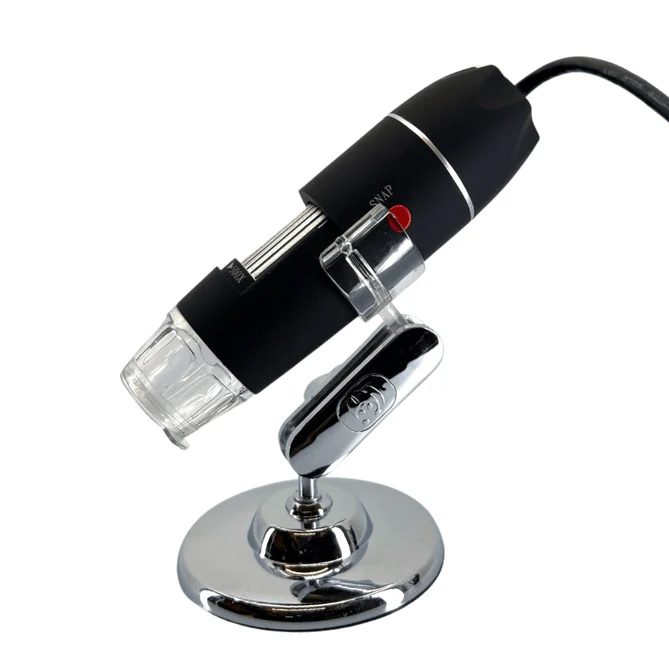
    A digital microscope uses a digital camera to capture images of specimens and display them on a computer screen or built-in LCD. Unlike traditional microscopes that rely on eyepieces, digital microscopes offer a more comfortable viewing experience and often come with software for image analysis and documentation. These microscopes are used in various fields, including biology, materials science, electronics, and education.

    Key Features to Consider

    When selecting a digital microscope, consider the following features:

    1. Magnification Range: The magnification range determines how closely you can examine specimens. Higher magnification is suitable for detailed analysis, while lower magnification is ideal for larger specimens.
    2. Resolution: The camera resolution affects the clarity and detail of images. Higher-resolution cameras provide sharper and more detailed images.
    3. Display: Some digital microscopes come with built-in displays, while others require a connection to a computer or external monitor. Choose based on your preference for portability and viewing convenience.
    4. Software: Advanced software features can enhance your microscopy experience. Look for software that offers measurement tools, image stitching, time-lapse recording, and other functionalities.
    5. Lighting: Proper illumination is crucial for clear imaging. Many digital microscopes come with built-in LED lighting with adjustable intensity.
    6. Connectivity: Consider microscopes with USB, HDMI, or Wi-Fi connectivity for easy image transfer and sharing.

    Benefits of Digital Microscopes

    Digital microscopes offer numerous advantages over traditional optical microscopes:

    1. Enhanced Imaging: Digital microscopes come equipped with high-resolution cameras that capture detailed images and videos. This allows for a clearer and more precise observation of specimens.
    2. Ease of Use: The digital interface eliminates the need for eyepieces, reducing eye strain and making it easier for multiple users to view specimens simultaneously on a monitor.
    3. Documentation and Sharing: Images and videos can be easily saved, shared, and analysed. This feature is particularly useful for collaborative research, presentations, and educational purposes.
    4. Measurement and Analysis: Integrated software tools allow users to measure dimensions, count cells, and perform various analyses directly on the captured images.
    5. Versatility: Digital microscopes are suitable for a wide range of applications, from biology and medicine to industrial inspection and materials science.

    Choosing the Right Digital Microscope

    Selecting the right digital microscope depends on various factors, including your intended application, budget, and specific requirements. Here are some key considerations:

    1. Magnification and Resolution: Determine the level of magnification and resolution needed for your application. Higher magnification and resolution are essential for detailed analysis but may come at a higher cost.
    2. Camera Quality: Look for microscopes with high-quality cameras that offer good color reproduction, low noise, and fast frame rates. CMOS sensors are generally preferred for their speed and efficiency.
    3. Illumination: Ensure the microscope has an adequate illumination system, preferably with adjustable LED lights. Good illumination is crucial for clear and accurate imaging.
    4. Software Features: Evaluate the included software for its functionality and ease of use. Important features to look for include measurement tools, image stitching, 3D imaging, and compatibility with various operating systems.
    5. Ergonomics and Design: Consider the design and ergonomics of the microscope. A user-friendly interface, adjustable stand, and comfortable viewing angle can enhance the user experience.
    6. Budget: Digital microscopes range from affordable models suitable for hobbyists and educators to high-end systems for professional use. Define your budget and choose a microscope that offers the best value for your needs.
    7. Brand and Support: Opt for reputable brands known for their quality and customer support. Check for warranties, technical support, and the availability of replacement parts.

    Applications of Digital Microscopes in Australia

    Digital microscopes are used in various fields across Australia, enhancing both research and practical applications:

    1. Education: Digital microscopes are invaluable in classrooms and laboratories, allowing students to observe and study microscopic organisms, biological samples, and chemical reactions. The ability to project images onto a screen facilitates better teaching and learning experiences.
    2. Medical and Biological Research: In medical laboratories, digital microscopes are used to examine tissue samples, blood cells, and other biological specimens. They play a crucial role in diagnosing diseases, conducting research, and developing treatments.
    3. Material Science and Engineering: Engineers and material scientists use digital microscopes to inspect and analyse the microstructure of materials, identify defects, and conduct quality control tests. This is essential in industries such as aerospace, automotive, and electronics.
    4. Forensics: Digital microscopes aid forensic scientists in analysing evidence such as fibres, hair, and traces of substances. The ability to capture high-resolution images and enhance details is crucial in solving crimes.
    5. Industrial Inspection: In manufacturing, digital microscopes are used to inspect and measure components, detect flaws, and ensure product quality. They are particularly useful in electronics, where small defects can have significant consequences.
    6. Archaeology and Art Conservation: Archaeologists and conservators use digital microscopes to study artefacts, artworks, and historical documents. The detailed images help in understanding the techniques used and in preserving these items.

    Conclusion

    Digital microscopes are powerful tools that have transformed the way we explore and analyse the microscopic world. In Australia, a wide range of digital microscopes is available to meet the needs of educators, researchers, and industrial professionals. By understanding the benefits and applications of these devices and selecting the right model for your needs, you can enhance your scientific investigations and achieve more precise and detailed observations. As technology continues to advance, digital microscopes will undoubtedly play an increasingly vital role in scientific discovery and innovation.

  • How Does Timesheets Software Work: A Comprehensive Guide

    How Does Timesheets Software Work: A Comprehensive Guide

    Timesheet software automates the process of tracking employee hours and project time. It allows staff to log their work hours electronically, which helps managers monitor productivity and ensure accurate payroll processing. This digital method minimises errors and saves time compared to manual tracking.

    This timesheets software often includes features like real-time tracking, project management integration, and reporting tools. Employees can use mobile apps or desktop versions to clock in and out, facilitating remote work and flexible schedules. Employers gain insights into workforce productivity and can make data-driven decisions more effectively.

    Implementing timesheet software also ensures compliance with labour laws by maintaining precise records. This can be crucial for audits and legal requirements. With its comprehensive set of tools, timesheet software streamlines workflows and enhances operational efficiency, making it an invaluable resource for modern businesses.

    Understanding Timesheets Software

    Timesheets software streamlines time tracking by offering various essential features, user-friendly interfaces, and seamless integration capabilities. This technology enhances productivity and ensures accurate time management.

    Core Functions

    Timesheets software primarily focuses on tracking employee hours, managing project timelines, and generating detailed reports. It allows users to log work hours either manually or automatically. Some systems also feature GPS tracking for remote work verification and punch-in/punch-out functionalities.

    Scheduling is another key function, enabling managers to allocate resources efficiently and manage workloads effectively. Additionally, timesheet software often incorporates compliance tools to ensure adherence to labour laws and company policies. Generating payroll data and billing clients are simplified, reducing administrative overhead.

    User Interfaces and Experience

    The user interface of timesheet software is designed to be intuitive and easy to navigate. It often features dashboards that provide an overview of hours worked, project statuses, and upcoming deadlines. Customisation options enable users to tailor the interface to their specific needs and preferences.

    Drag-and-drop scheduling, colour-coded timelines, and quick access to frequently used features enhance usability. Mobile applications are commonly available, allowing users to track time and manage schedules on the go, which increases flexibility and accessibility across various devices.

    Implementation and Usage

    Implementing timesheet software involves several steps including initial setup, daily operation management, and generating insightful reports. Ensuring these aspects are correctly executed will aid in smoother workflows and better productivity tracking.

    Setting Up Timesheets Software

    The setup process starts with selecting the right software that meets the organisation’s needs. Important criteria include user-friendliness, integration capabilities, and support for multiple devices.

    Next, establish user roles and permissions. Assign administrators, managers, and general users to ensure structured data access. Configuration settings such as working hours, projects, and tasks need precise definitions.

    Training sessions for employees are essential. Hands-on tutorials help users get comfortable with the new system. Documentation and support resources should be readily accessible.

    Daily Operations

    Daily operations involve employees logging their work hours and task details into the software. The interface should be intuitive, allowing quick entries and edits.

    Automated reminders can prompt users to submit their timesheets at the end of each day or week. Supervisors can then review submissions, approve entries, and flag discrepancies if needed.

    Integration with other tools like payroll systems helps in seamless data transfer. It minimises manual data entry and reduces errors. Employee feedback can be gathered for continuous improvement of daily operations.

    Reporting and Analytics

    Reporting and analytics functionalities enable organisations to monitor productivity and project costs accurately. Managers can generate customised reports to track hours worked by department, project, or individual.

    Analytics tools provide insights into patterns and trends. For example, they can identify high-performing teams or recurring bottlenecks in workflows.

    Exporting data into various formats (CSV, PDF) for further analysis or sharing with stakeholders is often supported. Regular review of these reports ensures the company remains on track with its goals.

    Frequently Asked Questions

    Timesheet software serves multiple functions that streamline employee time tracking and management. Each subsection covers various aspects such as its purpose, user interactions, and common criticisms.

    What is the purpose of using timesheet software?

    Timesheet software is primarily used to record and manage employees’ work hours. This data helps companies maintain accurate payroll records and monitor productivity. It also assists in project management by tracking time spent on specific tasks.

    What is the typical process involved in using a timesheet system?

    The typical process involves employees logging their hours daily or weekly. Supervisors then review and approve these entries. The system may also generate reports which can be used for payroll processing, invoicing, and analysing work patterns.

    How do companies utilise timesheet software to track hours worked?

    Companies use timesheet software to track hours worked and allocate these hours to specific projects or clients. This allows for accurate billing and helps in identifying where resources are being spent. It can also aid in managing staff workloads and planning future projects.

  • Top-Rated IT Company in Manila: Offering Innovative Tech Solutions & Services

    Top-Rated IT Company in Manila: Offering Innovative Tech Solutions & Services

    IT Company


    An IT Company is a business entity specialized in developing, implementing, and maintaining technology-based solutions or services, including software development, cybersecurity, and cloud computing among others to enhance operational efficiency.


    Importance of IT in today’s digital era


    Information Technology (IT) is vital in today’s digital era as it facilitates instant communication, data storage, and computation, enhancing operational efficiency and promoting innovation and creativity across various business sectors globally.


    A short introduction to the Manila IT landscape


    IT Company in Manila is one of the leading companies in the field of information technology located in Manila, Philippines. With its vast experience and knowledge in IT-based services, The  IT company in Manila has significantly contributed to enhancing a business’ operation countless times throughout the region. Being equipped with a team of specialized IT professionals and adopting cutting-edge technologies, this company allows businesses to reach great heights by optimizing processes effectively and efficiently. Offering services ranging from software development to cybersecurity solutions and tech support, IT Company in Manila guarantees reliable tech-enabled business transformations that suit various commercial needs.


    The Rising Demand for IT Solutions and Services in Manila


    Explanation of Manila’s growing tech industry


    Manila’s tech industry is flourishing due to investments in education, infrastructure, and supportive government policies attracting both local and foreign start-ups. Its affordable-tech talent pool further fuels this continuous growth and innovation.


    Definition and importance of IT solutions and services


    IT solutions and services refer to the application of business and technical expertise that aids organizations in creating, managing, and optimizing information. They are pivotal for enhancing operational efficiency and driving innovation.


    Insights into the increasing demand for IT companies in Manila


    The continuous tech evolution triggers an unprecedented demand for IT companies in Manila. Investments escalate as corporations grasp the need for digital transformation, leveraging advanced technologies to drive business efficiency and competitive advantage.


    Features That Make a Top-Rated IT Company in Manila


    Explanation of the factors that decide the worth of an IT company


    The worth of an IT company is decided by factors such as its intellectual property, financial health, business model, technological innovation, customer base size, and the competence of its management team.


    Discussion on the relevance of high-quality services, customer satisfaction, innovation, etc.


    High-quality services are vital for customer satisfaction and fostering steady business growth. Similarly, innovation plays a pivotal role in maintaining competitiveness, boosting customer engagement, and fostering the advancement of any industry or company.


    Explanation of the innovative tech solutions provided


    Innovative tech solutions provided encompass advanced software and hardware systems, AI technology implementation, cloud-based services, cybersecurity measures, efficient data management tools, and digital transformation strategies for improved operational efficiency and enhanced user experiences.


    Understanding their customer base


    Understanding their customer base is imperative for businesses to successfully cater to needs, maximize profit, and drive growth. It involves studying demographics, preferences, buying behavior, and feedback to strategize effectively.


    Benefits of Engaging with Top-rated IT Companies in Manila


    Explanation of how these companies provide more value


    These companies provide more value by implementing consistent innovation, customer-oriented services, strategic investments, and partnerships. Delivering high-quality products and offering excellent after-sales service also contribute to their enhanced value proposition.


    A look into cost-efficiency, sophisticated solutions, expert service, etc.


    Exploring cost-efficiency methodologies yields savings and fosters growth. Sophisticated solutions enhance performance, driving innovation. Expert service guarantees customer satisfaction, supporting credibility. These are invaluable aspects for efficient business operations and successful market positioning.

    Case-studies demonstrating benefits


    Case studies demonstrating benefits offer comprehensive insights into the implications of various decisions or actions. They prove to be invaluable tools for creating successful strategies by showcasing practical applications and their effective results, thus inspiring confidence in learners.


    What is the best IT company in Manila?


    Accenture stands as the best IT company in Manila, recognized for its innovative solutions, exceptional workforce, and unwavering commitment to client satisfaction, making it a powerhouse in the technology industry.


  • Maximise Waste Management Efficiency with High-Quality Auger Compactors

    Maximise Waste Management Efficiency with High-Quality Auger Compactors

    Maximise waste management efficiency with our top-notch Auger Compactors! Ensuring effective, eco-friendly waste disposal.


    Waste management is crucial for maintaining a clean and healthy environment. It involves collecting, transporting, disposing or recycling waste materials, primarily produced by human activity. Proper waste management reduces pollution, controls pests and diseases, conserves resources through recycling and minimises landfills. It ensures sustainability and protects future generations from potential health hazards associated with inappropriate waste handling.


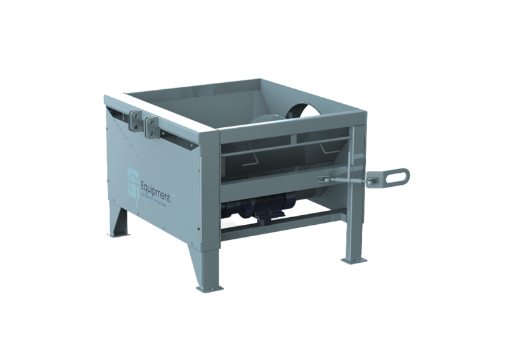
    Auger compactors are highly efficient machines commonly used in waste management. These powerful devices utilise a rotating helical screw, also known as an auger, to compress and condense trash or recyclables into manageable packs for easy transportation and disposal. Due to their effectiveness in reducing volume and maximising space efficiency, they often serve as essential tools for businesses that generate substantial amounts of waste like shipping industries or food processing plants. Auger compactors represent advanced waste-handling technology that promotes environmental sustainability while improving cost efficiency.


    The role of high-quality auger compactors in maximising waste management efficiency


    High-quality auger compactors play a pivotal role in enhancing waste management efficiency. Their superb crushing power reduces the size of waste, considerably boosting landfill space availability. Increased loading capacity means fewer transports are needed, reducing carbon emissions and costs. Additionally, these durable machines require less maintenance and energy input, optimising overall operational performance in waste management facilities.


    Understanding Auger compaction


    Definition of auger compaction


    Auger compaction refers to a method used predominantly in waste management and composting applications. It utilises a mechanical gadget called an auger, which is a drilling device with a helical screw blade that transports material from one place to another. Auger compaction effectively reduces the volume of waste by compressing it through the auger mechanism.


    How an auger compactor works


    An auger compactor is a machine designed for solid waste management. The process starts by pushing the trash into its breaking chamber, and then an enormous drill bit metal (auger) crushes it. During compacting, the shredding of waste happens simultaneously, reducing its volume significantly. Thus, providing an efficient method to handle larger amounts of trash with less space.


    Key attributes of an efficient auger compactor


    An efficient auger compactor possesses high durability and reliability, with strong wear-resistant components. It showcases maximum waste throughput for cost-effective operation. Key attributes include easy maintenance features, a powerful drive system for high operation speed, and environmentally friendly functions like low noise levels and energy-saving mechanisms. Additionally, it accommodates various types of materials adding to its versatility.


    Comparing Auger Compactors to Traditional Waste Compacting Methods


    Shortcomings of conventional waste management methods


    Conventional waste management methods, such as landfill disposal and incineration, have several drawbacks. They often lead to environmental damage including air and water pollution. These techniques deplete natural resources by not reusing or recycling material. Moreover, they contribute to climate change by releasing greenhouse gases and fail to promote sustainable living concepts like “zero-waste”.


    Benefits of using auger compactors in place of traditional methods


    Auger compactors offer several benefits over traditional waste management methods. Improved efficiency and a high waste-compaction ratio increase landfill space availability. They also reduce hauling requirements, leading to lowered transport costs and carbon emissions. Better containment of waste prevents spills, reduces potential hazards and contributes towards a cleaner, safer environment in an industry marked by significant pollution concerns.


  • The Role of Digital Marketing Agencies in Today’s Landscape

    The Role of Digital Marketing Agencies in Today’s Landscape

    Digital marketing is vital in today’s business landscape, enabling companies to reach global audiences, engage with customers directly, track engagement metrics accurately, and refine strategies based on real-time feedback. It provides cost-effective promotional possibilities essential in contemporary commerce.


    Online presence is indispensable for businesses in today’s digital age. It amplifies visibility, enabling round-the-clock accessibility and interaction with customers globally. This significantly boosts brand awareness, customer engagement, and ultimately profits; making it crucial for business success.


    Digital marketing agencies play a crucial role in enhancing online presence by leveraging diverse strategies like SEO, content marketing, and social media campaigns. They boost brand visibility and engagement rate, driving traffic and improving business revenues significantly.


    Choosing the right Digital Marketing Agency significantly impacts your business’ growth and success. The suitable digital marketing agency Australia strategically promotes your brand, reaching a larger audience, enhancing visibility, driving better results and hence increasing profitability in today’s digital landscape.


    Explanation of why the right agency makes a difference


    The right agency offers industry-specific expertise, innovative solutions, and a dedicated team that prioritizes your goals. This difference in quality impacts business growth, brand perception, and reaching the target audience effectively which ultimately boosts the overall success and productivity of an organization.


    Noting the potential risks of partnering with an ineffective agency


    Partnering with an ineffective agency carries potential risks such as wasted resources, detrimental impacts on brand reputation and loss of competitive advantage. It can delay projects, undermine stakeholder trust and drain financial resources without yielding desirable outcomes.


    Features of Top-Ranked Digital Marketing Agencies


    Top digital marketing agencies showcase unique characteristics: innovative analytics use, consumer-focused strategies, comprehensive service offerings and consistent adaptability to technology trends. These distinct features fuel successful campaigns, fostering impactful brand awareness and customer engagement in the digital landscape.


    The success of a company’s online initiatives hinges on qualities like innovation, adaptability and customer focus. Innovation drives unique experiences distinguishing businesses in the competitive digital space. Adaptability ensures resilience against market changes while customer focus enhances consumer engagement and loyalty.


    The main criteria for choosing a digital marketing agency include proven experience, positive client reviews, knowledge of the latest marketing trends, customizable strategies to target specific audiences and comprehensive analytics reporting to measure success accurately.


    Selecting a marketing agency requires evaluation of their expertise, creativity, industry experience and cost-effectiveness. Considerations must also include the agency’s track record, communication style, technological capabilities and how they align with your business goals or niche market needs.


    Industrial standards for measuring agency performance include key performance indicators (KPIs), balanced scorecards, and benchmarks. These provide quantifiable measures to assess effectiveness and efficiency in achieving operational or strategic goals within different industrial sectors.


    Overview of Top-Ranked Digital Marketing Agencies


    A compilation of successful digital marketing agencies includes names like WebFX, Disruptive Advertising, and SEO Brand. These companies excel in areas such as social media promotion, search engine optimization, content strategy, and pay-per-click advertising campaigns to bolster online visibility.


    Each agency stands out due to its unique speciality. For instance, creative firms like Ogilvy thrive on innovative marketing, while tech-savvy ones like Accenture provide top-notch IT services – earning them high rankings in their respective fields.


    These agencies have countless success stories demonstrating their effectiveness. For instance, the FBI resolved major federal crimes and NASA successfully launched various spacecrafts. Their real-life case studies inspire others to pursue significant breakthroughs in law enforcement and space exploration fields.


    A top-ranked digital marketing agency can expertly optimize your online presence, boost website traffic, augment customer engagement and raise sales conversion rates. Their in-depth expertise ensures a significant return on investment for your brand’s digital strategies.


    Top-ranked agencies amplify online presence through strategic digital marketing, SEO optimization, and engaging content. They utilize cutting-edge technology to improve website design, optimize social media engagement and track progress with analytics for a visibly improved online brand footprint.


    Engaging in discussions on potential ROI when hiring agencies is crucial. The agency’s expertise should enhance business profitability, resulting in a justified expenditure. Detailed analysis of past performance and client testimonials could provide insight into expected returns.


    Start by researching top-ranked digital marketing agencies and assessing their skills related to your needs. Schedule consultations to discuss your company’s goals. Evaluate their proposal based on goal understanding, strategy development process, case studies and pricing structure before making a decision.


    Starting the hiring process involves strategic planning. Understanding job requirements, creating engaging job descriptions, implementing effective advertisement strategies, and employing competitive pay and benefits can attract suitable candidates offering the desired skills for your business’s development and organizational goals.


    Collaborate openly with your digital marketing agency, setting clear goals and benchmarks upfront. Maintain regular communication and ask for detailed reports. Ensure they understand your brand identity to deliver optimal results that align with your business objectives.


    Conclusion


    In conclusion, a digital marketing agency plays an imperative role in today’s business world. As the realm of technology continues to expand, so do the strategies necessary for success in marketing efforts. Digital marketing agencies offer specialized services focusing on online platforms that enhance visibility, and conversion rates and maintain competitiveness in digital spaces. By leveraging professional expertise in SEO, social media management, content creation and many more online technicalities they indeed press forward businesses’ potential. Therefore, investing in a reputable digital marketing agency is essential for organizations aiming at considerable growth and immersion into ample market exposure nowadays.


    Digital marketing agencies play an integral role in today’s business world. They provide strategies for online visibility, improve brand recognition, and enhance user engagement by leveraging technology-focused methods to boost sales and customer reach effectively.


    Boost your online presence by investing with a top-ranked agency. Leverage their expert strategies, advanced tools and seasoned professionals to enhance visibility, drive traffic, increase brand recognition, and expand customer base in the rapidly evolving digital landscape.